
Introduction
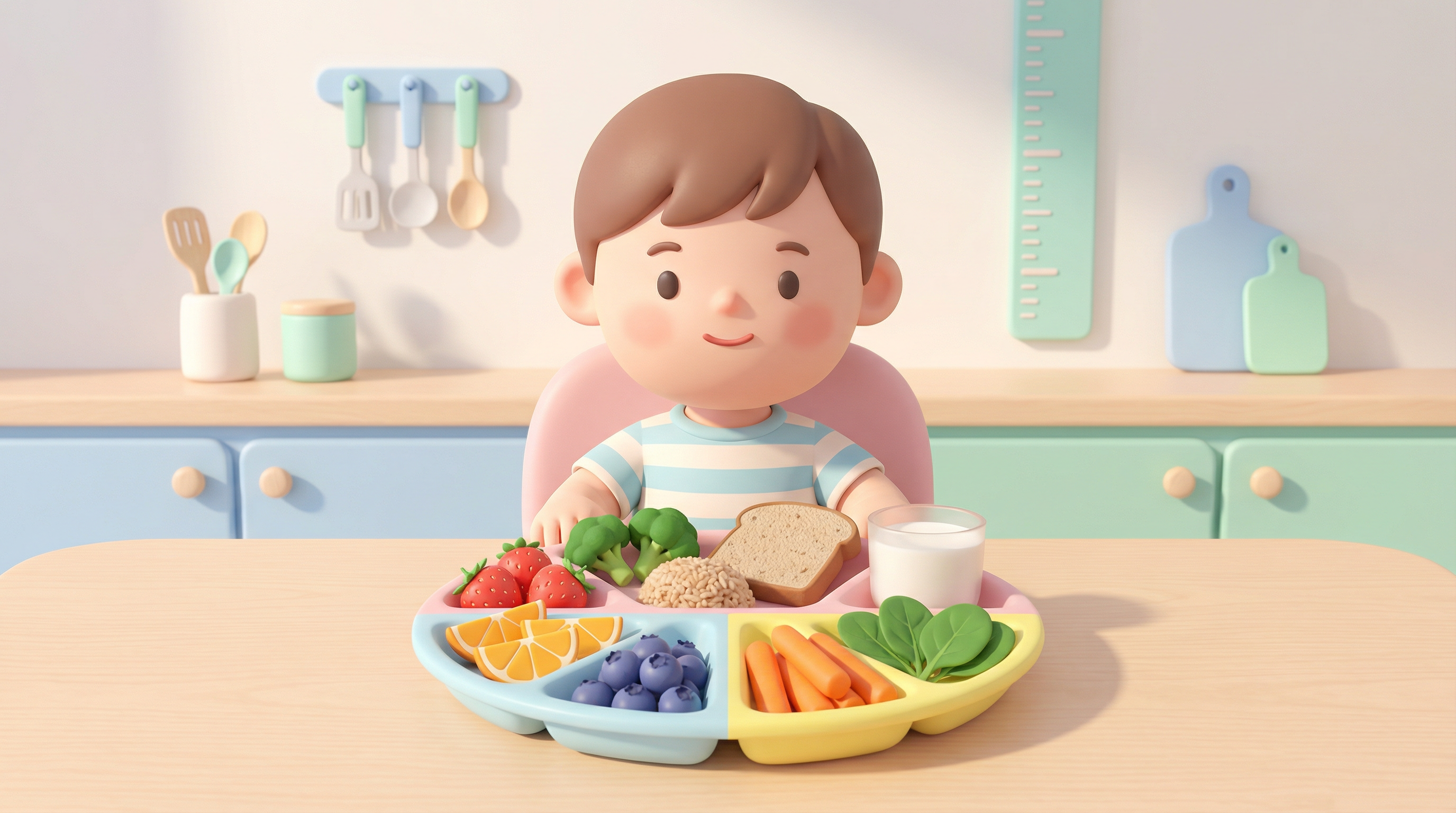
Appropriate nutrition in the early years of life is the cornerstone of a child’s future health and development. The first two years of life are considered a golden period, because optimal nutrition during this time can significantly reduce mortality and morbidity and lower the risk of chronic diseases in adulthood.
According to global reports, malnutrition (both undernutrition and overweight) is associated with around 45% of child deaths. In 2022, it was estimated that about 149 million children under 5 years of age suffered from stunting (low height-for-age), and about 37 million children under 5 had overweight or obesity. These numbers show that poor nutrition can harm children both through deficiencies and through excess.
The World Health Organization (WHO) emphasizes the importance of optimal nutrition, especially in the 0–23 month period. Estimates suggest that if all children from 0 to 23 months were fed according to recommended principles (including breastfeeding and appropriate complementary feeding), more than 820,000 deaths of children under 5 could be prevented each year.
In this article, based on recommendations from leading international organizations (WHO, CDC, NHS and academic sources), we present a scientific, up-to-date and practical guide to child nutrition from birth to preschool age (0 to 5 years).
Nutrition in Infancy (0 to 12 Months)
1. 0–6 Months: Exclusive Milk Feeding
From birth to about 6 months of age, infants obtain all their energy and nutrients from milk (breast milk or infant formula). WHO and many scientific bodies recommend that infants be exclusively breastfed during this period, receiving no solid foods or other drinks (not even water). When breastfeeding is not possible, an appropriate standard infant formula (starter formula) should be used.
Breast milk is about 87% water and formula about 85% water; therefore, in the first 6 months infants typically do not need additional water. Giving water can even be dangerous, as it may dilute blood sodium levels and lead to “water intoxication”.
Among micronutrients, vitamin D is particularly important in this period. Infant vitamin D stores are limited, and its level in breast milk is not sufficient. For this reason, it is commonly recommended that all infants receive 400 IU of vitamin D daily in drop form from about 2 weeks of age until 12 months of age. If an infant drinks around 1 liter of fortified formula daily, they may not need an additional supplement (according to the physician’s judgment).
Key points for 0–6 months:
- Exclusive milk feeding (breast milk or appropriate formula) until the end of 6 months.
- No cow’s milk or other animal milk as the main drink before 12 months of age.
- No need for water, juices, herbal teas or other fluids in the first 6 months.
- Daily 400 IU of vitamin D from 2 weeks to 12 months of age (if prescribed by a doctor).
- No honey before 12 months because of the risk of infant botulism.

2. 6–12 Months: Starting Complementary Foods
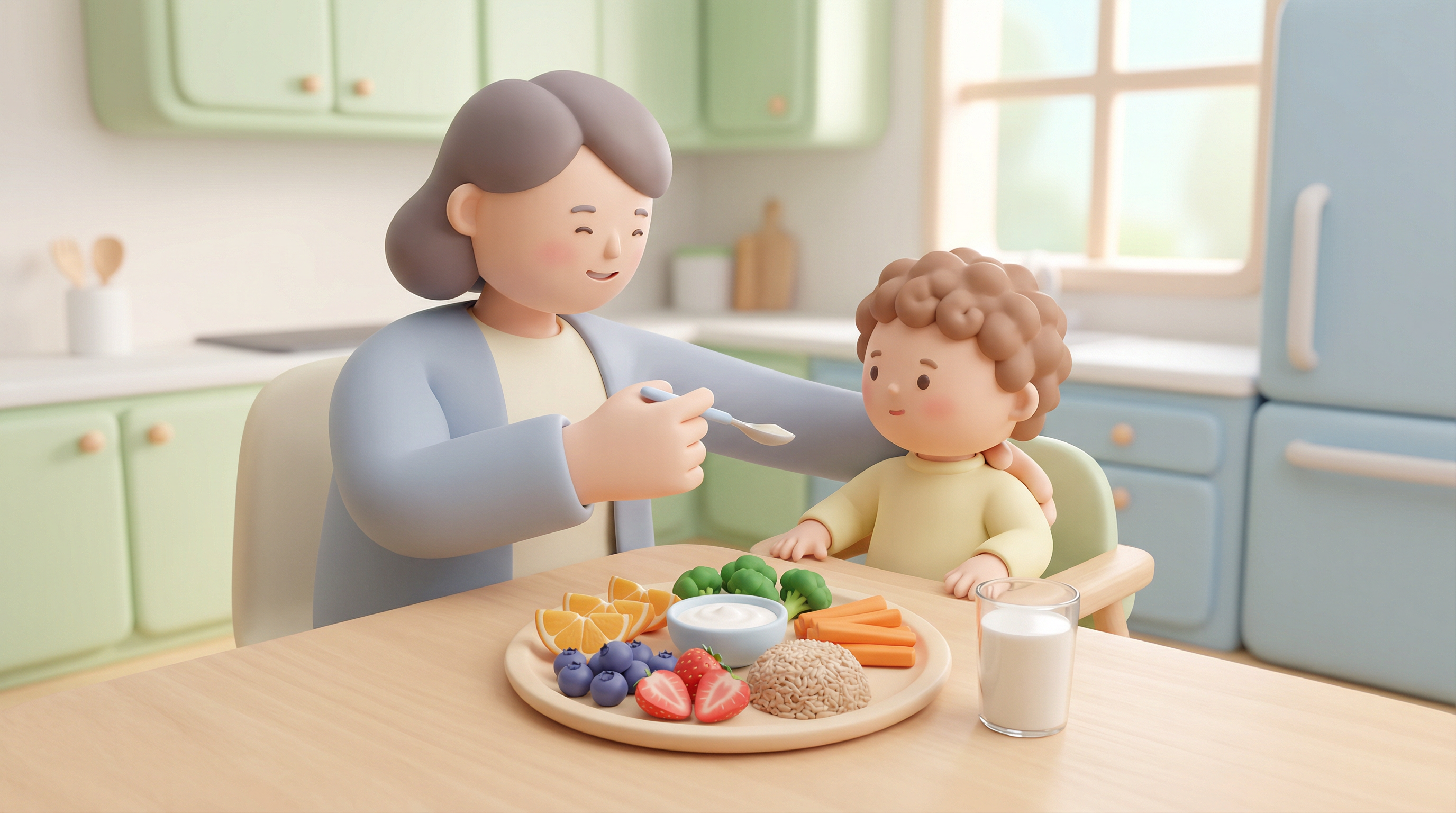
Around 6 months of age, it is time to start complementary foods. The digestive system has matured further, and the iron stores built up during pregnancy are gradually being depleted. Therefore, in addition to milk, solid foods rich in nutrients and energy need to be introduced.
2.1. The Right Time to Start
Signs that a baby is ready for complementary foods:
- Ability to sit with support and hold their head steady
- Interest in food (opening the mouth when a spoon approaches, reaching for others’ food)
- Ability to swallow food without pushing it out with the tongue
Important note: Starting complementary feeding before 4 months is not recommended. Between 4 and 6 months it is considered only in specific cases and under medical supervision. The general recommendation is to start complementary feeding at around 6 months.
2.2. Choosing the First Foods
At 6 months and beyond, first complementary foods should be nutrient-dense and rich in iron. Examples include:
- Iron-fortified infant cereals (porridge, baby cereals)
- Soft, well-cooked and pureed red meat
- Well-cooked and mashed lentils or other legumes
- Pureed vegetables (such as cooked carrots, pumpkin, potato)
- Pureed soft fruits (such as banana, cooked apple, pear)
Contrary to older beliefs, there is no need for a very rigid sequence of introducing foods; what matters is that, over a few months, the child is exposed to a variety of food groups.
2.3. Variety and Allergy
To help identify possible food allergies:
- Introduce one new food at a time.
- Wait 3 to 5 days between introducing two new foods.
Potentially allergenic foods (such as egg, peanut, fish, dairy, etc.) can also be offered from this age in thoroughly cooked, soft form and in small amounts. Evidence suggests that early, controlled introduction may even reduce the risk of later allergies. In children with severe eczema or known allergies, this should be done under medical supervision.
2.4. Texture and Consistency
At the beginning (6–7 months), foods should be very soft and pureed. Then:
- Around 7–8 months: foods can be slightly thicker and more mashed rather than fully pureed.
- From about 9 months onwards: small, soft pieces (such as small pieces of banana or cooked potato) can be offered as finger foods.
Always supervise the baby while eating. Avoid hard, round foods (such as whole nuts, raw hard carrots, popcorn, whole grapes, etc.), as they pose a risk of choking.
2.5. Frequency of Meals
By the end of the first year:
- Around 2 to 3 complementary meals per day at 6–8 months
- Then 3 to 4 complementary meals plus 1 to 2 light snacks (such as soft fruit) at 9–12 months
Breast milk or formula still provides a large share of the child’s energy intake and can contribute about half of the required calories during 6–12 months.
Nutrition for Toddlers (1 to 3 Years)
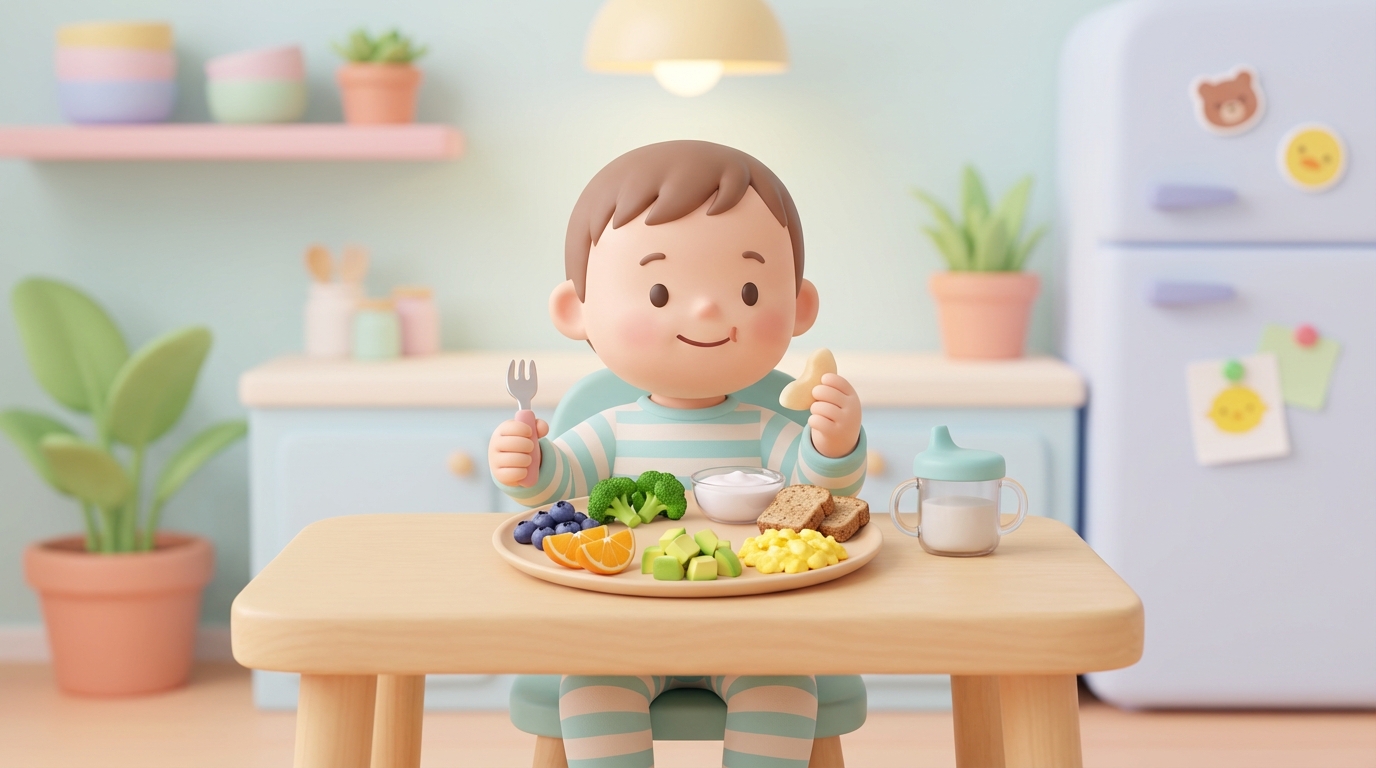
At 1 year of age, the child enters the toddler stage (1 to 3 years). In this period, the child can gradually eat most family foods (in an age-appropriate form and portion size). Physical growth slows compared to the first year, and appetite may fluctuate from day to day – this is normal.
1. General Meal Pattern
For most toddlers, the following pattern works well:
- 3 main meals (breakfast, lunch, dinner)
- plus 2 small snacks during the day
The portion size is usually about one quarter to one third of an adult portion, but each meal should ideally contain a mix of food groups: grains, fruits/vegetables, a protein source and dairy.
2. Milk and Dairy
From 12 months onwards:
- Pasteurized whole cow’s milk can gradually replace infant formula or be given alongside breast milk.
- Children 1 to 2 years old should generally receive full-fat dairy products to ensure sufficient energy and fat-soluble vitamins.
- After 2 years of age, if growth and weight are appropriate, it is possible to slowly introduce lower-fat dairy (e.g. 2% milk).
Recommended dairy intake for toddlers:
- About 2 cups, or 350–500 ml of milk per day, or equivalent amounts of yogurt and cheese.
- Intake of more than about 700 ml of milk per day is not recommended, as it can cause false satiety, reduce appetite for other foods and increase the risk of iron deficiency anemia.
3. Iron, Vitamin D and Other Micronutrients
To prevent anemia and support growth:
- Include at least 1 to 2 servings of iron-rich foods daily (red meat, poultry, fish, egg yolk, legumes, iron-fortified cereals).
- Combine plant-based iron sources with vitamin-C-rich foods (such as citrus fruits, tomatoes, bell peppers) to improve absorption.
Regarding vitamins:
- Many guidelines (such as from the NHS) recommend that all children 6 months to 5 years take a daily supplement containing vitamins A, C and D, unless they drink more than 500 ml of fortified formula a day.
4. Drinks and Sugar
The best drinks for toddlers are:
- Water and milk.
Key points:
- Avoid sugary drinks (sodas, commercial juices, energy drinks) as much as possible.
- Even natural fruit juice should be limited to about 120 ml (½ cup) per day, preferably diluted and given with meals.
- Sugary drinks before bedtime increase the risk of tooth decay; before sleep, plain water is best.
5. Salt, Sugar and Snacks
Between 1 and 3 years of age, the child’s taste preferences are developing. Therefore:
- There is no need to add salt to the child’s food; intake should be kept as low as possible. High salt intake may contribute to high blood pressure later in life.
- Added sugar and very sweet foods (chocolate, candies, sugary desserts) should be minimized.
- For snacks, choose healthy options such as fresh fruit, plain yogurt, pieces of cheese with simple crackers, soft cooked carrots or peeled cucumber.
6. Food Safety and Choking Risk
Toddlers still have limited chewing skills. To reduce choking risk:
- Cut foods into small, manageable pieces.
- Avoid round, hard foods (whole nuts, whole peanuts, whole grapes, popcorn, hard raw carrots, hard candies).
- Whole nuts and peanuts are generally not recommended until around 5 years of age; instead use peanut butter or finely ground nuts.
Nutrition for Preschoolers (3 to 5 Years)
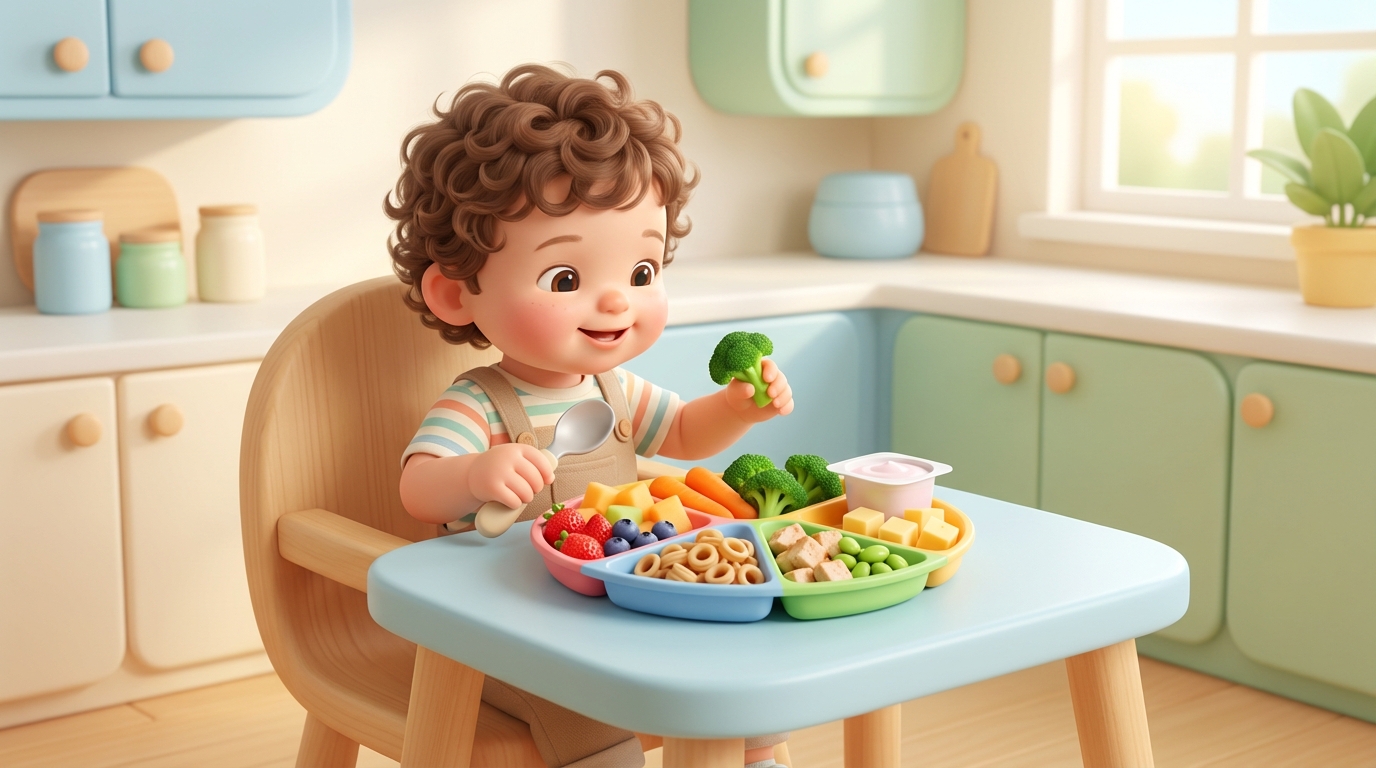
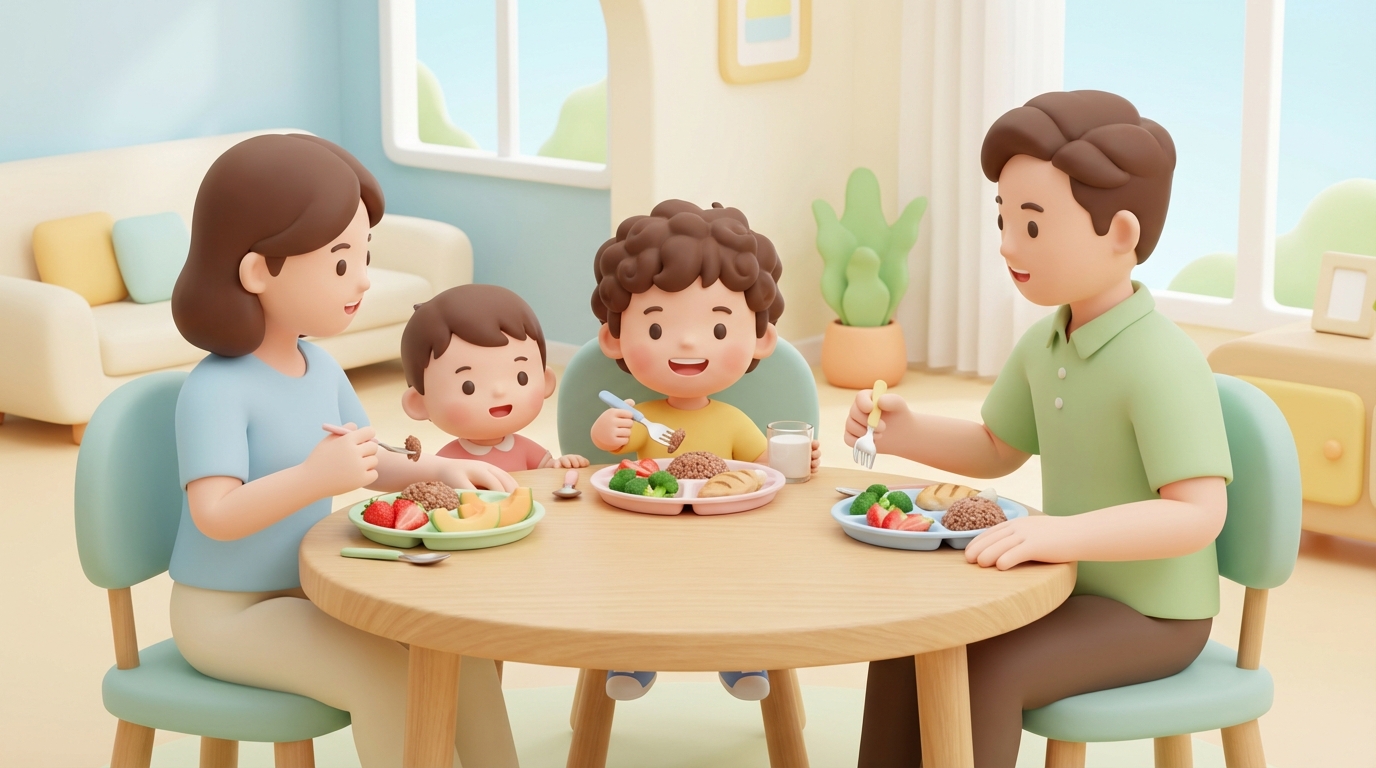
At 3 to 5 years of age, children’s eating patterns become increasingly similar to those of adults. This period is an excellent opportunity to build long-term healthy eating habits. It is still recommended to have:
- 3 main meals + 2 healthy snacks per day
- smaller portions than adults, but with full variety of food groups
1. Variety and Balance
A 5-year-old child should eat from the same food groups as the rest of the family, just in smaller amounts:
- Fruits: about 1.5 servings per day
- Vegetables: about 1.5 to 2 servings per day
- Grains and starches: bread, rice, pasta, potatoes (after 2 years, some of the grains can be wholegrain)
- Proteins: meat, poultry, fish, eggs, legumes, soy – about 2 to 3 servings per day
- Dairy: about 2 cups of milk or equivalent amounts of yogurt/cheese per day
2. Dairy and Type of Milk
- Between 2 and 5 years, if the child has normal growth, lower-fat milks (e.g. 2% or 1% fat) can be used.
- From about 5 years onwards, the child can usually drink the same type of milk as the rest of the family (unless a medical condition requires otherwise).
3. Water and Beverages
To meet fluid needs:
- Preschoolers typically need about 5 to 6 cups of fluid per day (including water in foods); the exact amount depends on climate and activity.
- Water should remain the main drink.
Fruit juice:
- If juice is offered, it should be limited to 120–175 ml (½ to ¾ cup) per day.
- Choose 100% fruit juice and preferably dilute it.
- Eating whole fruits is much better than drinking juice.
4. Micronutrient Supplements
In many countries it is recommended that:
- Children 6 months to 5 years take a daily supplement with vitamins A, C and D, unless they drink more than 500 ml of fortified formula daily.
- In areas with limited sunlight or for children who rarely spend time outdoors, continued vitamin D supplementation is especially important.
5. Building Healthy Eating Habits
This age is ideal for:
- Encouraging children to eat when hungry and stop when full.
- Avoiding the use of food as punishment or reward.
- Involving children in simple cooking tasks (washing fruit, mixing salad) to increase interest in healthy foods.
- Teaching children to choose healthy snacks instead of chips and sweets.
Special Safety Tips and General Recommendations
Regardless of the child’s age, some general principles should always be followed:
-
Food hygiene:
- Wash hands thoroughly before preparing and eating food.
- Store foods properly in the refrigerator and avoid using expired products.
-
Avoid high-risk foods for young children:
- Honey before 12 months of age
- Cow’s milk as the main drink before 12 months
- Whole nuts and similar hard kernels until around 5 years
- Hard, round foods that can easily lodge in the throat
-
Listening to the child’s body:
- Children’s appetites vary from day to day; what matters is the overall pattern over time, not each individual meal.
- Excessive pressure to eat can create a negative relationship with food.
Conclusion
Healthy nutrition from birth to 5 years is an investment for life.
In this article, based on up-to-date scientific recommendations, we reviewed the different stages of child nutrition:
- Exclusive milk feeding in 0–6 months
- Proper introduction of complementary foods from 6 months, with a focus on iron-rich foods
- Establishing a regular and varied eating pattern in 1–3 years
- And shaping healthy dietary habits in the 3–5 year period
Following these principles helps ensure optimal height and weight gain, supports brain development, immune function and prevention of chronic diseases later in life. With knowledge and patience, parents can help their child grow up healthy, strong and happy.
Summary of Key Points and Numbers
- About 45% of global child mortality is associated with malnutrition.
- In 2022, around 149 million children under 5 years were stunted and about 37 million had overweight or obesity.
- Optimal nutrition for children aged 0–23 months (including breastfeeding) could prevent more than 820,000 deaths of children under 5 each year.
- In 0–6 months, exclusive milk feeding (breast milk or formula) is recommended; breast milk is about 87% water and formula about 85% water.
- From 2 weeks to 12 months, a daily dose of 400 IU vitamin D is commonly recommended (if confirmed by a doctor).
- Cow’s milk as the main drink is not appropriate before 12 months of age.
- By the end of the first year, 3–4 complementary meals plus 1–2 light snacks in addition to breast milk/formula are usually recommended.
- For toddlers, a pattern of 3 main meals and 2 healthy snacks per day is typical.
- Children aged 1–3 years need about 2 cups (350–500 ml) of dairy per day; more than 700 ml of milk may increase the risk of other nutrient deficits and anemia.
- Many guidelines recommend that children 6 months to 5 years take a daily supplement containing vitamins A, C and D, unless they drink more than 500 ml of fortified formula daily.
- Fruit juice for toddlers and preschoolers should ideally be limited to 120–175 ml per day.
- Preschoolers usually need about 5–6 cups of water per day (depending on conditions).
- Acceptance of a new food may require 10–15 repeated exposures; patience and repetition are key to achieving dietary variety.