Introduction: Why is protein so important for your child’s growth?
Protein is one of the most important “building blocks” of the body. Muscles, bones, skin, hair, enzymes, hormones, and many immune system cells all need protein to be built and to function properly. During childhood, the body is constantly creating new tissues: height increases, muscles grow stronger, the brain develops, and the immune system matures. That’s why the need for protein during growth years—especially infancy, childhood, and adolescence—is extremely crucial.
Research shows that protein deficiency can lead to slow height and weight growth, loss of muscle mass, weakened immunity, fatigue, reduced concentration, and even learning difficulties. In severe malnutrition—mostly in extreme poverty—conditions such as kwashiorkor and marasmus occur, which involve swelling, severe wasting, hair loss, and major weakness. Fortunately, in most families the issue is not “absolute lack of protein,” but rather quality of protein sources, balance with other nutrients, and timing of intake.
In this article, based on recommendations from global organizations like WHO, CDC, the American Academy of Pediatrics, and leading medical centers, we explain in simple but scientifically supported language: how much protein your child needs from infancy through adolescence, the best sources, the best timing, and common mistakes parents make that may cause deficiency—or unnecessary excess.

Protein and its roles in a child’s body
To understand the importance of protein, it helps to see what it actually does in the body. A large part of body tissues—including muscles, organs, skin, and even parts of bones—are made of protein. For height and weight growth, tissue repair, and maintaining muscle mass, the body constantly needs amino acids (the building blocks of protein). If metabolism is like a construction site, protein is both the “brick,” the “worker,” and the “tool.”
Protein is essential in making enzymes and hormones, which regulate nearly all chemical reactions in the body. Many immune molecules, including antibodies and defense cells, are protein-based. Therefore, sufficient protein intake helps improve immunity and resistance to infections. In the brain, amino acids are needed for neurotransmitters—the chemicals that relay messages between nerve cells. That is why adequate protein in early life, along with other nutrients, supports cognitive development, memory, and concentration.
On the other hand, long-term protein deficiency can cause muscle loss, fatigue, slow wound healing, frequent infections, and delayed growth. Most children with normal food access aren’t at high risk of low total protein, but their protein may not come from high-quality, healthy sources, or may not be well distributed throughout the day.

How much protein does my child need per day?
Daily protein needs change with age and weight. Infants up to six months get all their protein from breast milk or standard infant formula. After starting solids, part of their protein gradually comes from foods.
According to international dietary reference intakes (RDA), approximate daily protein needs for healthy children are:
| Age Group | Daily Recommended Protein |
|---|---|
| 7–12 months | ~11 g |
| 1–3 years | ~13 g |
| 4–8 years | ~19 g |
| 9–13 years | ~34 g |
| Girls 14–18 | ~46 g |
| Boys 14–18 | ~52 g |
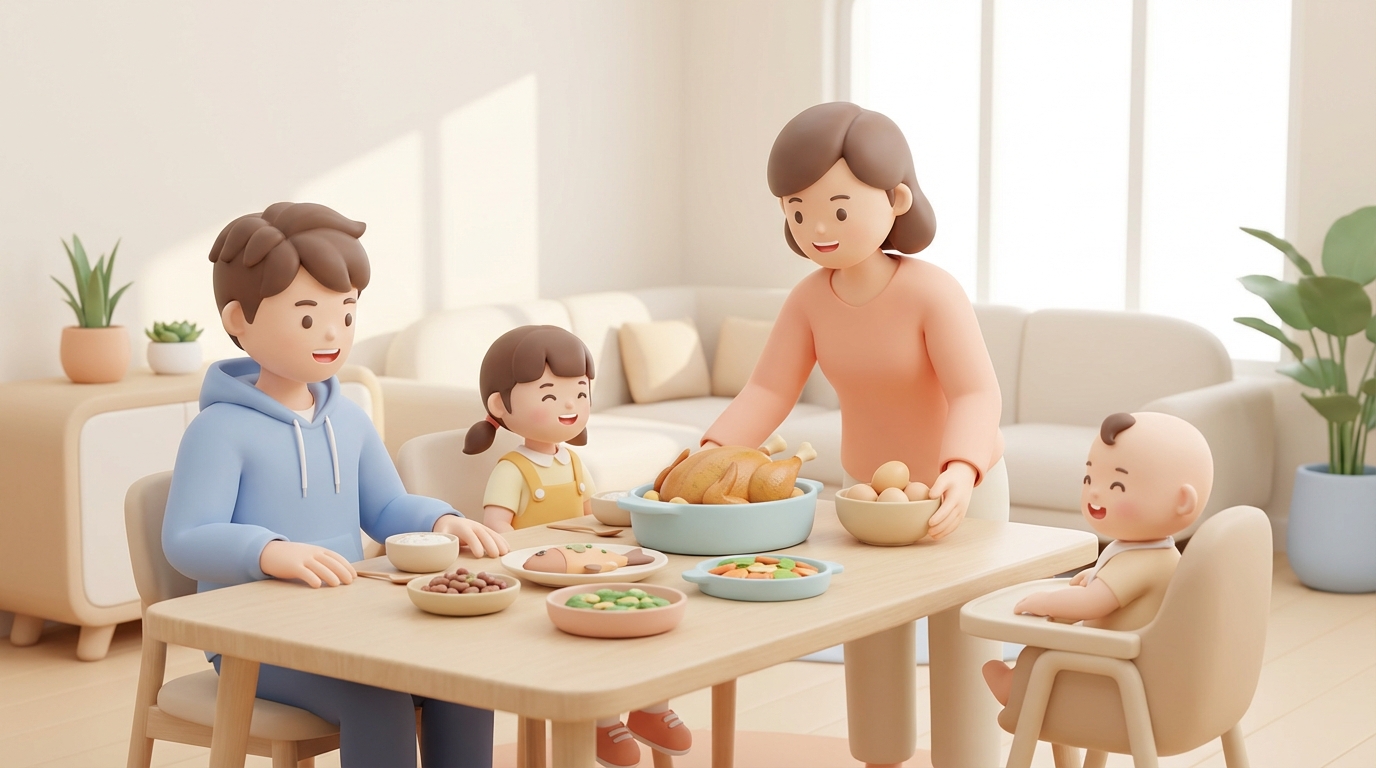
A typical 7–8-year-old who drinks one glass of milk, some yogurt, one egg, some chicken at lunch, and legumes at dinner usually reaches ~19 g easily. In teenagers—especially boys during growth spurts—needs increase, but a balanced diet usually meets requirements.
These are minimum recommended amounts, not strict upper limits. Eating slightly more is safe if the diet is balanced. But very high protein intake does not increase height beyond genetic potential, and excessive intake may cause problems—covered later.

Best protein sources at each age: from breast milk to family meals
Protein can come from animal or plant sources. Animal sources (meat, chicken, fish, eggs, dairy) provide high-quality complete proteins. Plant sources (legumes, soy, nuts, seeds, whole grains) also contribute significantly, especially when combined.
Infants to 12 months: Milk at the center
During the first 6 months, breast milk or standard infant formula provides all needed protein and nutrients. No solids or drinks are needed before six months.
From around 6 months, when babies show readiness (sitting with support, interest in food), solids should gradually begin alongside continued milk feeding. High-protein choices include well-cooked and pureed beef, chicken, fish (boneless and fully cooked), fully cooked egg yolk, and pureed legumes. Yogurt and small amounts of soft cheese may also be added.

Toddlers (1–3 years): Transition to family food
At this stage, toddlers can eat much of the family’s food (with safe textures). Daily protein should come from variety: eggs, chicken, beef, fish with low mercury (salmon, trout, shrimp), legumes, dairy.
Fish intake: about two small servings weekly, avoiding high-mercury fish.
Serve three main meals + two snacks. Each main meal should contain a protein source. Nuts must not be served whole—use nut butters or ground nuts to prevent choking.
Preschool and school-age children (4+ years): Variety is key
Protein should be included in each main meal. Children rarely lack total protein at this age, but quality matters. Prefer fresh lean meats, fish, eggs, dairy, legumes—not processed meats (sausages, nuggets, deli meats), which are high in salt, unhealthy fats, and additives.
Vegetarian and vegan children: Special considerations
Plant protein is possible with proper planning. Combining grains + legumes improves amino acid profile (rice & beans, lentils & whole grains). Nuts and seeds (in safe forms) also help.
Vegan diets require extra attention to iron, zinc, calcium, and vitamin B12. Consultation with a pediatric dietitian is strongly recommended to ensure healthy growth.

When should kids eat protein? The importance of distribution
Not just “how much,” but how protein is distributed during the day matters. Regular intake helps growth, muscle repair, stable energy, and concentration.
Best practice:
- Include protein in every main meal (breakfast, lunch, dinner)
- Use snacks as additional protein opportunities (yogurt, milk, boiled egg, chicken pieces, nut butter + fruit)
About 30% of children’s daily calories come from snacks—often low-nutrient foods. Using protein-rich snacks supports growth and reduces sugar spikes.
After exercise (for active teens)
Post-exercise snacks should include protein + carbohydrates: milk, yogurt smoothie, tuna sandwich, nut butter with fruit. Even in athletes, protein powders are rarely needed, unless prescribed.
Excess protein powders may stress kidneys/liver, cause dehydration, digestive discomfort, or unnecessary weight gain.

Protein and growth of muscles, brain, and immunity
Protein is essential not just for muscle, but for nearly every system:
- Muscles: required for building and maintaining strength.
- Bones: works with minerals to support bone formation and height.
- Brain: amino acids form neurotransmitters—affecting mood, sleep, focus, learning.
- Immunity: antibodies and immune cells are protein-based.
Children with protein-energy malnutrition get sick more often and stay ill longer.

Common mistakes parents make about protein
1) Thinking “more protein = better growth”
Extra protein beyond needs does not increase height or muscle above the child's natural potential. Excess is burned or stored as fat. Protein powders may harm children.
2) Lack of variety
Focusing only on one source (only meat or only dairy) limits amino acid balance. A mix of meats, eggs, fish, legumes, grains, nuts, and dairy is ideal.
3) Relying on processed protein foods
Sausages, nuggets, deli meats contain protein but also excess salt, preservatives, and harmful fats. Limit them—prepare homemade alternatives instead.
4) Delaying protein introduction in infants
Fear of allergies leads some parents to delay giving protein-rich solids after 6 months. But prolonged feeding of only carbohydrate porridges can cause protein insufficiency.
5) Strict vegetarian diets without planning
Removing animal products without proper plant-based replacements can impair growth.

Children with growth problems: Do they need more protein?
If a child’s growth curve falls behind, nutrition is one of the first things doctors evaluate—especially calorie and protein intake.
Many children with growth faltering require more protein and calories than peers to “catch up.” Doctors may advise:
- Adding extra cheese or egg to meals
- Using milk/yogurt instead of juice as snacks
- Ensuring protein in every meal
Sometimes special nutritional drinks may be recommended—always under medical supervision.
Growth issues may also come from:
- Malabsorption (celiac disease, inflammatory bowel disease)
- Chronic illness
- Rare metabolic disorders
In such cases, treatment of the underlying disease + tailored protein intake is essential.
If parents are concerned about inadequate height/weight progress, they should consult a pediatrician for proper evaluation.

Summary: Protein—one piece of the healthy nutrition puzzle
Protein is a key pillar of child nutrition—but not the only one. Children need balanced intake of:
- Complex carbohydrates
- Healthy fats
- Vitamins & minerals
- And plenty of water
Key takeaways:
- Infants get all protein from breast milk/formula for the first 6 months.
- After 6 months, protein-rich complementary foods must be introduced gradually.
- Older children should have a protein source in every main meal + nutritious protein snacks.
- Choose healthy sources (lean meats, fish, eggs, dairy, legumes, nuts).
- Avoid processed meats and unnecessary protein supplements.
- Consult a pediatrician if growth concerns arise.