Introduction
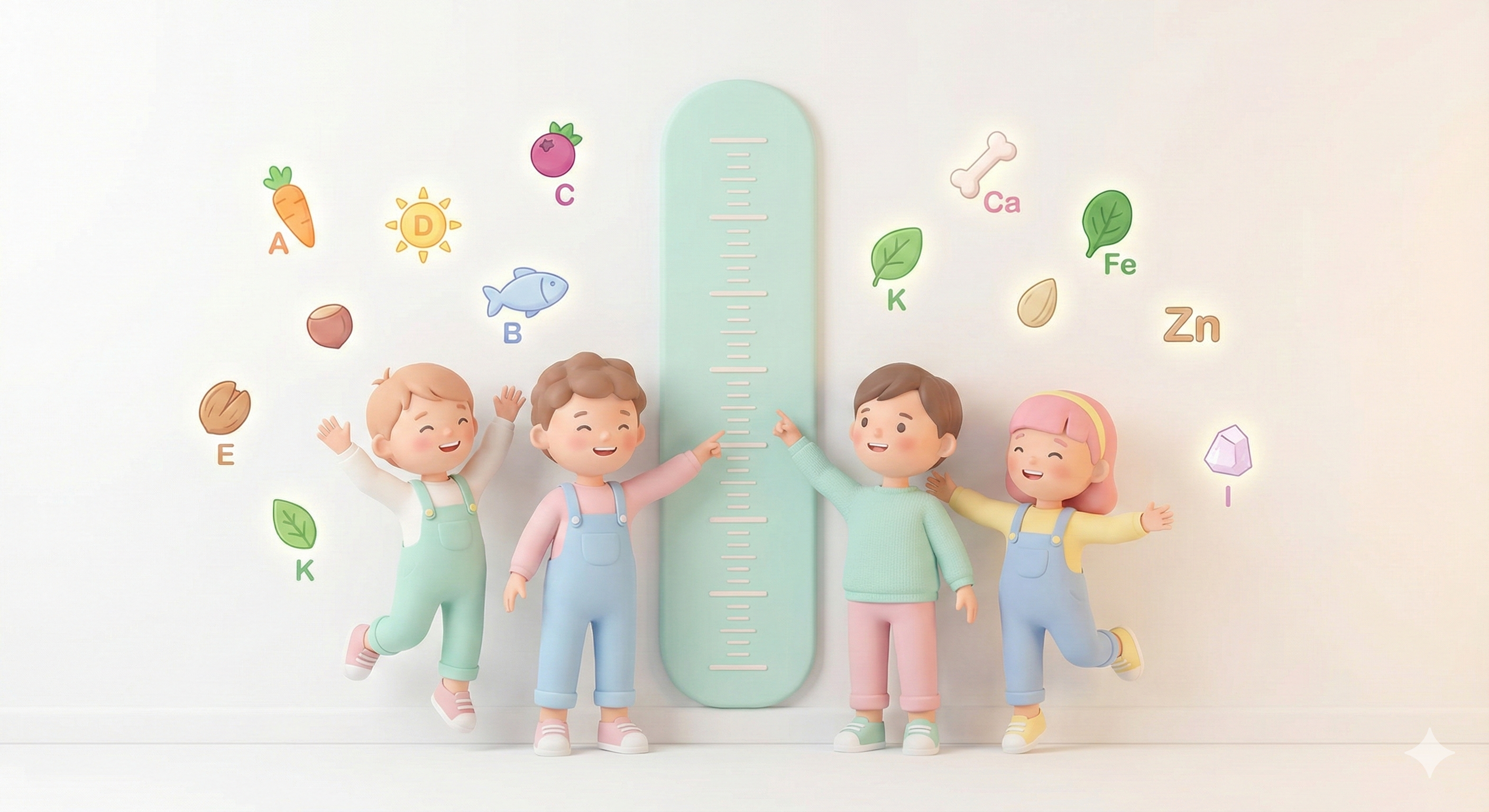
Every parent wants their child to grow taller, stronger, and healthier. Growth is not just about centimeters in height; strong bones, healthy muscles, an active immune system, and a sharp brain all depend on proper nutrition. Beyond enough protein and calories, the body needs a set of vitamins and minerals (micronutrients) to build and grow cells, regulate metabolism, and support brain development.
A deficiency in any of these micronutrients can slow growth, weaken immunity, and even affect your child’s focus and learning. On the other hand, adequate and balanced intake helps your child stay on a healthy growth curve and reduces the risk of short stature, anemia, and many other issues.
In this article, in simple language and based on reputable global recommendations, we review the key vitamins and minerals for child growth, their food sources, their roles in height and health, and practical tips for parents—so you can make helpful changes at your family table starting today.

Vitamins and Minerals: The Hidden Engines of Child Growth
Healthy growth is like building a multi-story structure. Protein and calories are the bricks and cement; but vitamins and minerals are like the engineers and specialized workers who determine how well and with what quality the building is constructed.
If iron is insufficient, blood cannot carry enough oxygen to the brain and muscles, and the child becomes tired and irritable. Without enough calcium and vitamin D, bones don’t mineralize properly, raising the risk of short stature and rickets. Zinc deficiency slows height and weight gain, and deficiencies in vitamins A, C, and E weaken the immune system.
That’s why when a pediatrician examines a child’s growth chart, they’re not just looking at weight and height; they’re also asking themselves, “Is this child getting enough micronutrients from daily food?”
Below, we review key vitamins and minerals separately.
Part 1: Essential Vitamins for Child Growth
Vitamin A: Protector of Growth, Vision, and Immunity
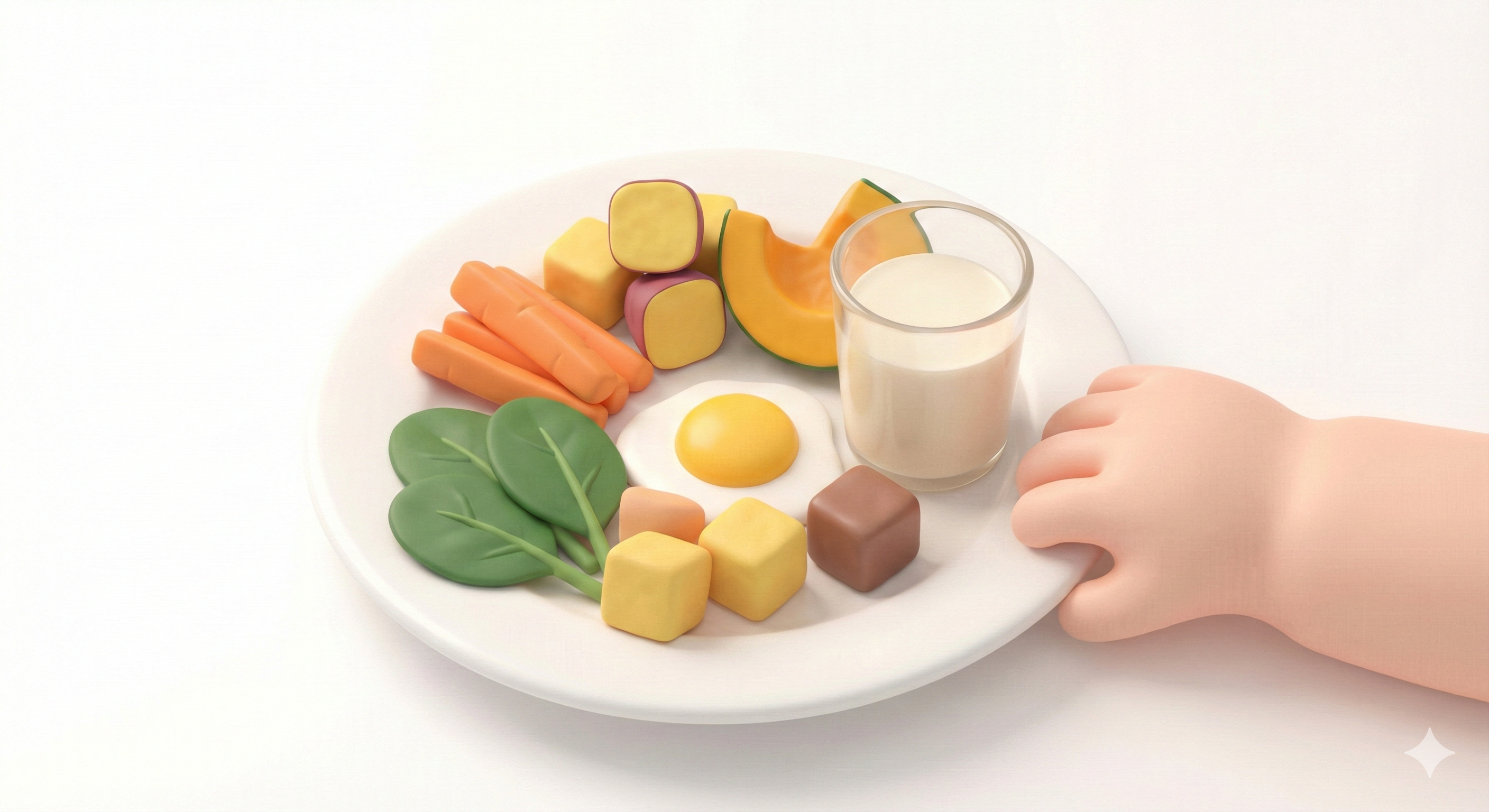
Vitamin A plays a direct role in body growth, skin and mucous membrane health, immune function, and low-light vision. It helps cells grow correctly and strengthens the body’s defenses against infection. Long-term deficiency can slow growth and increase the risk of serious infections.
Good sources include dark leafy greens like spinach and kale; orange and yellow vegetables like carrots, pumpkin, and sweet potatoes; as well as liver, egg yolk, and fortified dairy. Some of this vitamin exists as “precursors” (beta-carotene) in fruits and vegetables, which the body converts to active vitamin A.
Recommended intake varies by age: preschoolers need about 400 mcg, and school-age children about 600 mcg daily. A diet including colorful vegetables, dairy, and occasional eggs or meat usually covers this.
B Vitamins: Helpers for Energy, Brain, and Blood Formation
B vitamins (B₁, B₂, B₃, B₆, B₁₂, and folic acid) are essential for converting food into energy, supporting the nervous system and mood, and forming blood. Without them, the body cannot efficiently use carbohydrates, fats, and proteins, and nerve and brain cells cannot function properly.
They’re found widely in whole grains, whole-grain breads, legumes, nuts and seeds, meat, poultry, fish, eggs, and dairy. Some breakfast cereals are fortified with B vitamins.
Daily needs are small but continuous—e.g., 1–2 mcg of vitamin B₁₂ and about 150–200 mcg folate. Kids who consume grains, some animal protein or legumes, and dairy rarely have deficiencies—except with very restricted or strict vegan diets, which require medical supervision.

Vitamin C: Immune Booster and Iron Absorption Aid
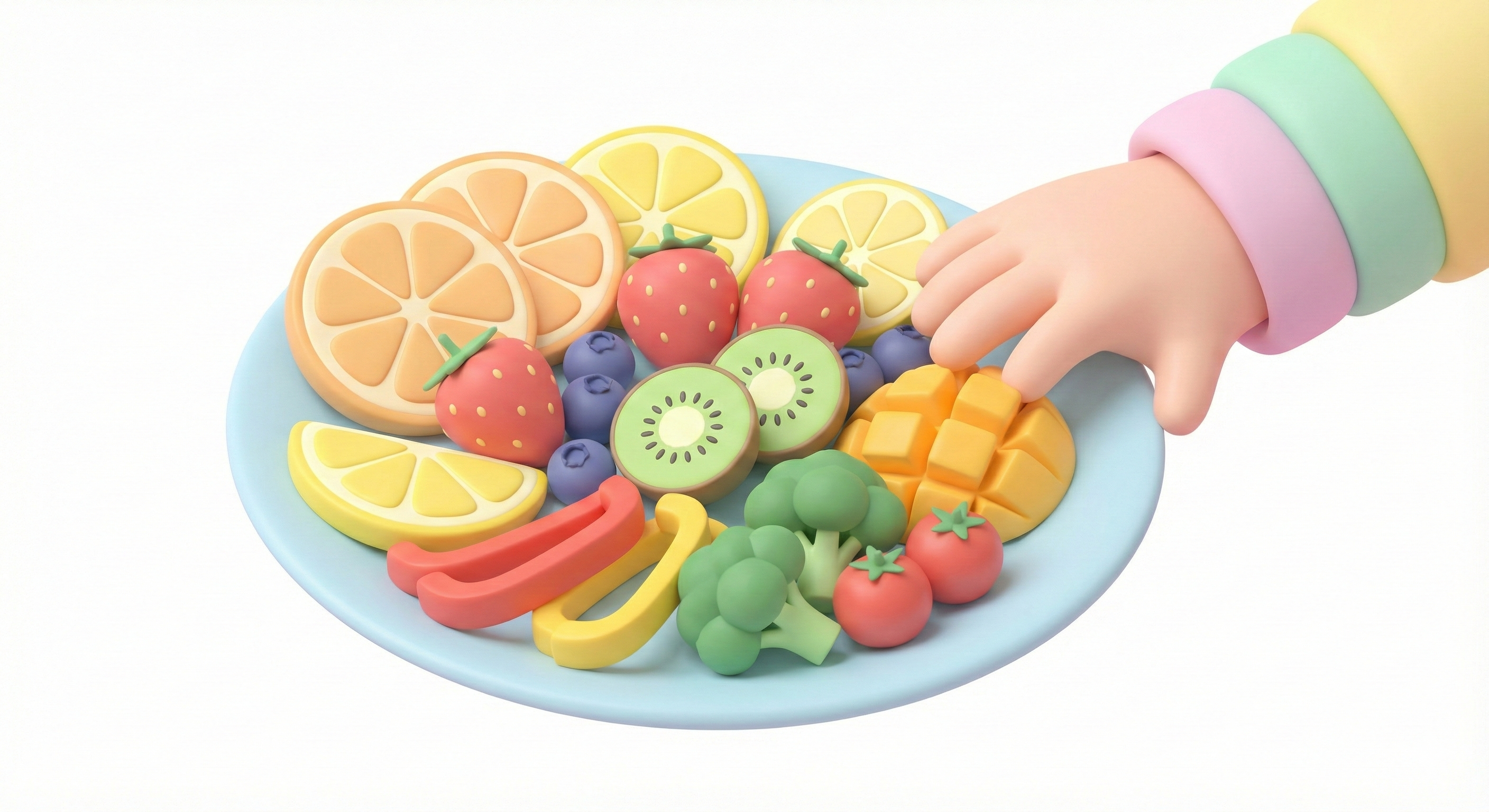
Vitamin C strengthens immunity, supports wound healing, helps create collagen (in bones, skin, and blood vessels), and improves iron absorption—especially from plant sources.
Rich sources include citrus fruits, berries, kiwi, mango, and vegetables like bell peppers, broccoli, Brussels sprouts, and tomatoes.
Younger children need about 15 mg, older ones 40–45 mg daily—easily met with a couple of servings of fruit and some fresh vegetables. If your child has at least one fresh fruit and some salad or cooked vegetables daily, supplements are usually unnecessary.
Vitamin D: Key to Calcium Absorption and Bone Growth
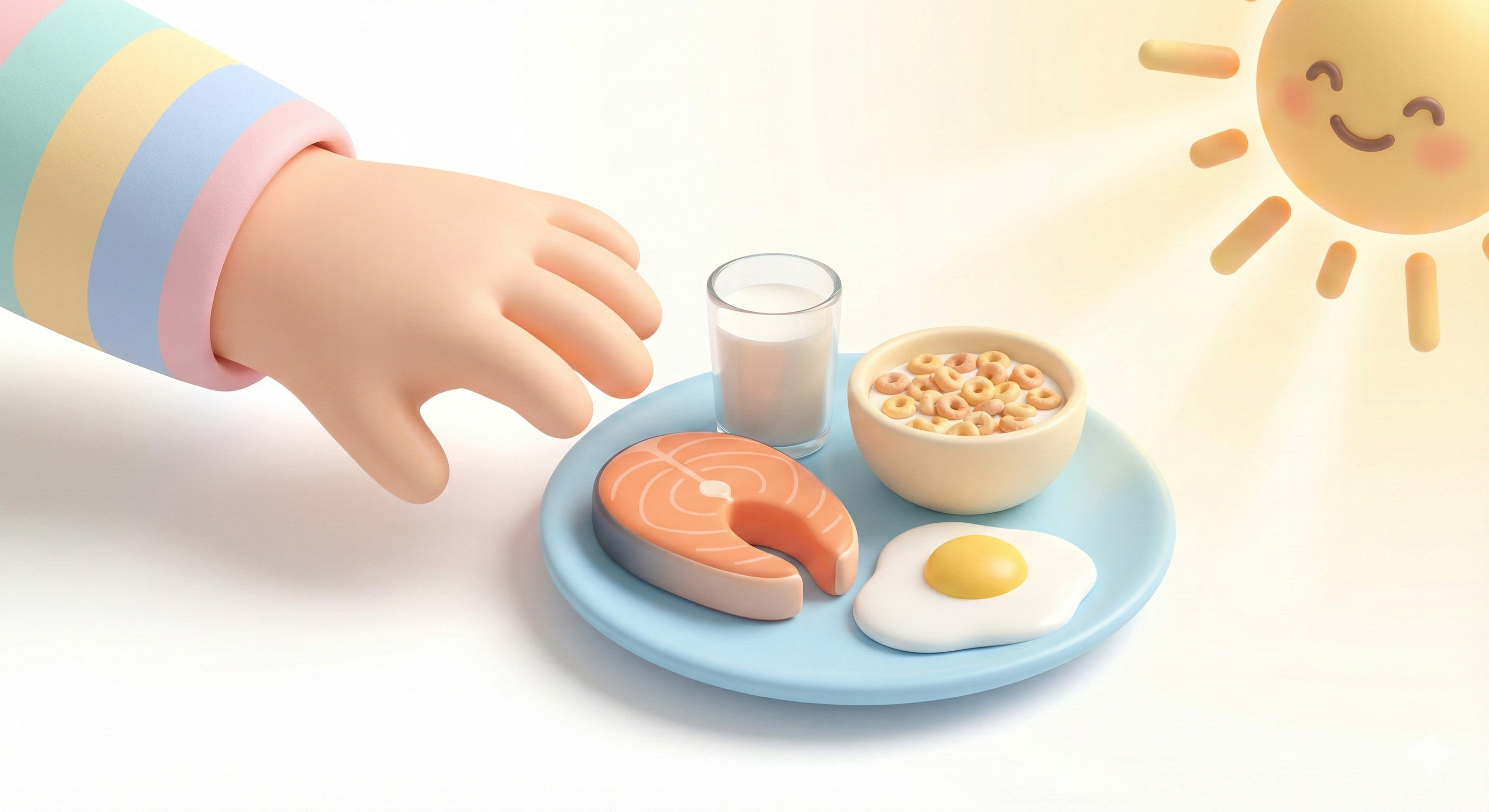
Vitamin D is one of the most important vitamins for height and strong bones. It helps absorb calcium and prevents rickets. It also supports the immune system.
The body can make vitamin D when sunlight hits the skin, but modern lifestyles (little outdoor play, sunscreen use, pollution, covered clothing) mean many kids don’t make enough. Dietary sources are limited: small amounts in fatty fish, egg yolk, and fortified dairy and grains.
Guidelines recommend:
- Babies and children under 12 months: 400 IU/day
- Children over 1 year: 600 IU/day
This can come from sunlight, diet, or physician-recommended supplements. Breastfed babies almost always need vitamin D drops. Formula-fed infants who drink about 1 liter/day of fortified formula typically meet needs, but the pediatrician decides.
Vitamin E: Cell Protector and Immune Supporter
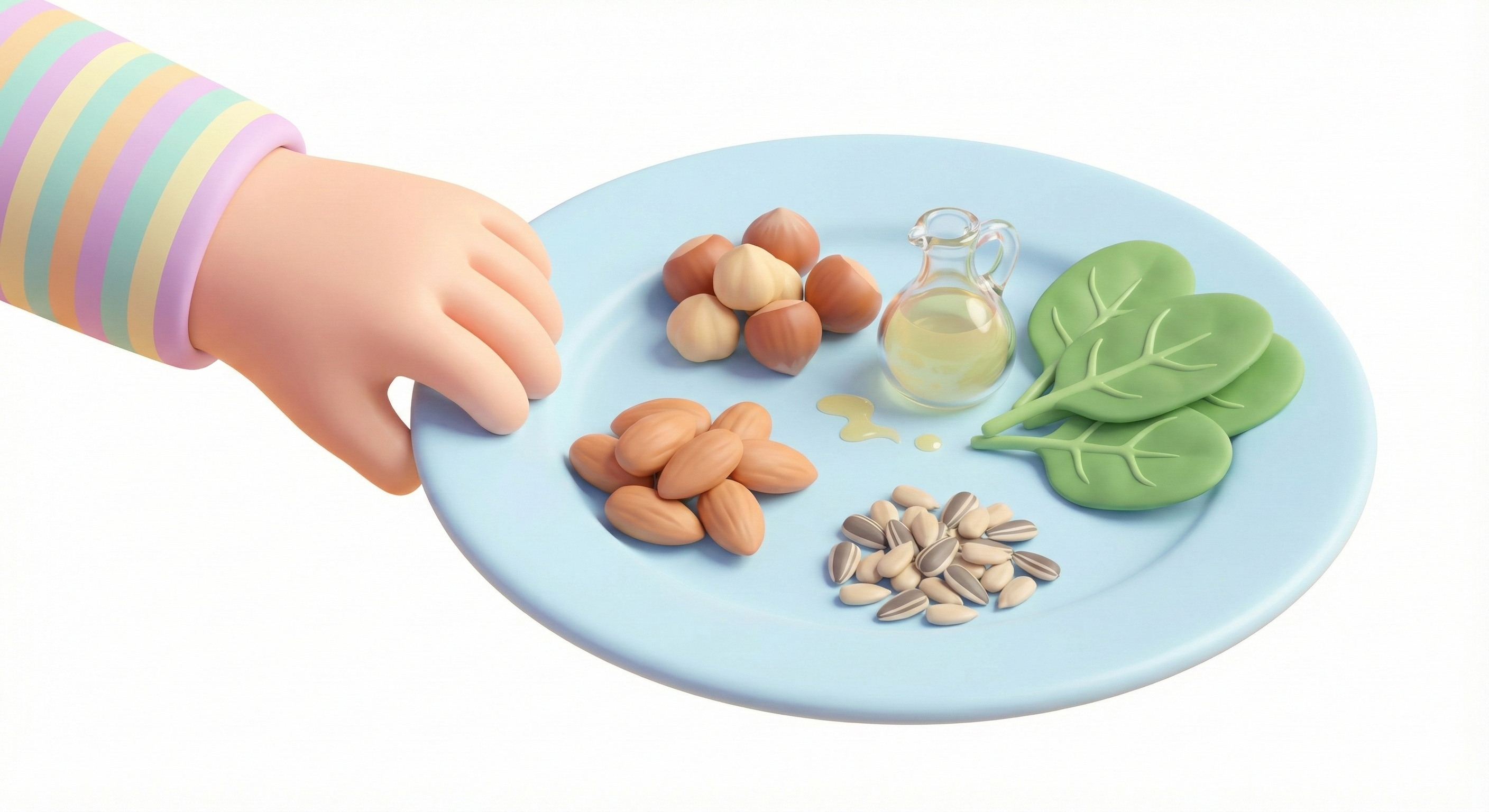
Vitamin E is an important antioxidant, protecting cells from oxidative damage. It supports immunity, skin, and eyes.
Sources include vegetable oils (sunflower, canola), nuts and seeds (almonds, hazelnuts, sunflower seeds), wheat germ, some leafy greens, and eggs.
Children need about 7 mg in early childhood and up to 11 mg later. Diets including healthy oils, nuts or nut butter, and vegetables usually meet needs.
Vitamin K: For Blood Clotting and Bone Health
Vitamin K is essential for normal blood clotting and also plays a role in bone metabolism—important for growing bones.
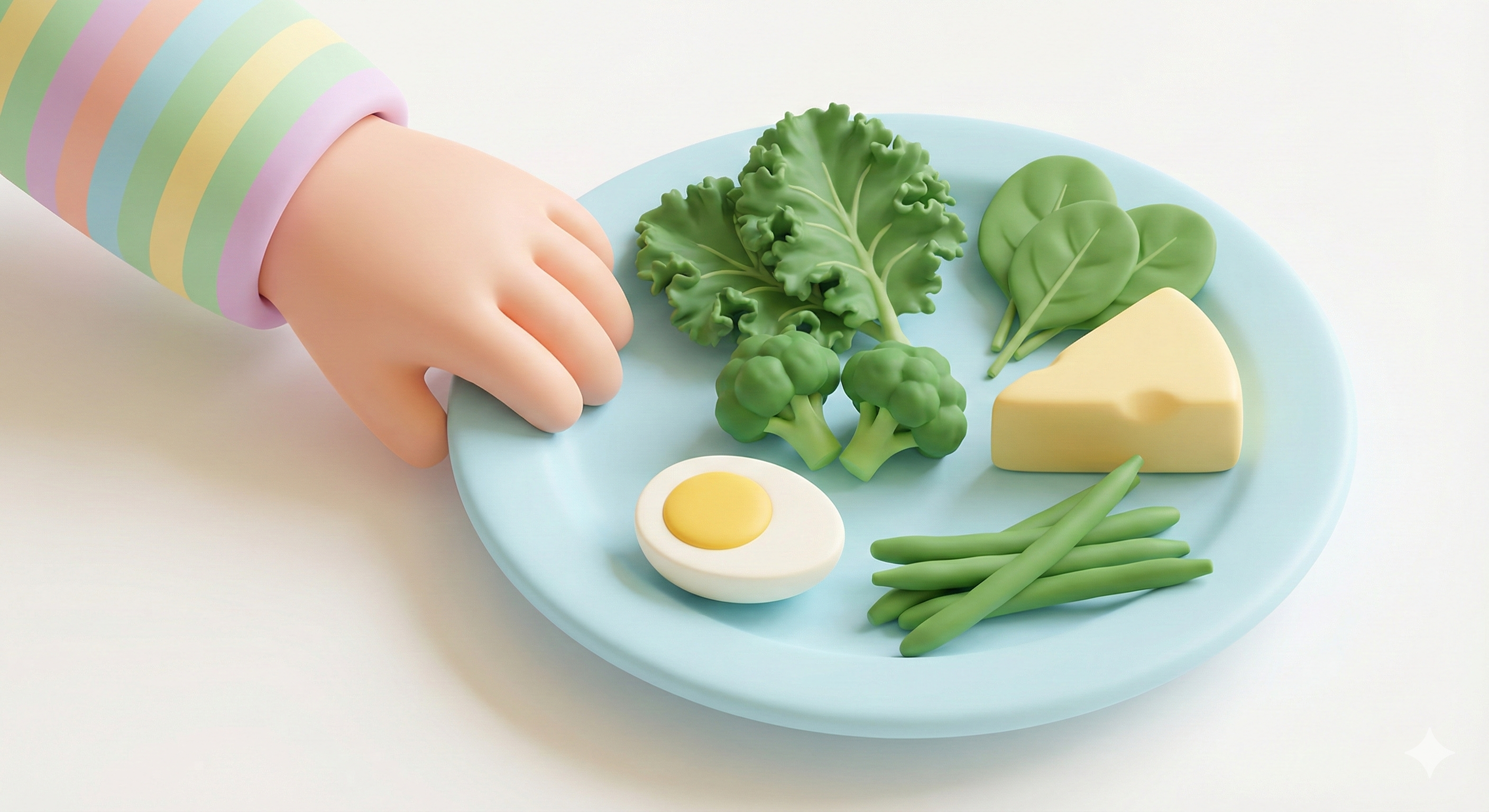
Rich sources: leafy greens, broccoli, Brussels sprouts, green beans, eggs, and some dairy. Beneficial gut bacteria also produce some vitamin K.
Children need only tens of micrograms (about 50–60 mcg/day). Newborns receive a vitamin K injection to prevent bleeding. After that, a varied diet usually provides enough.
Part 2: Essential Minerals for Child Growth
Calcium: The Main Building Block of Bones and Teeth
Calcium is the most important mineral for strong bones and teeth. It also supports muscles, heartbeat, and nerve signals. Childhood and adolescence are when the body builds its lifelong “calcium bank.”
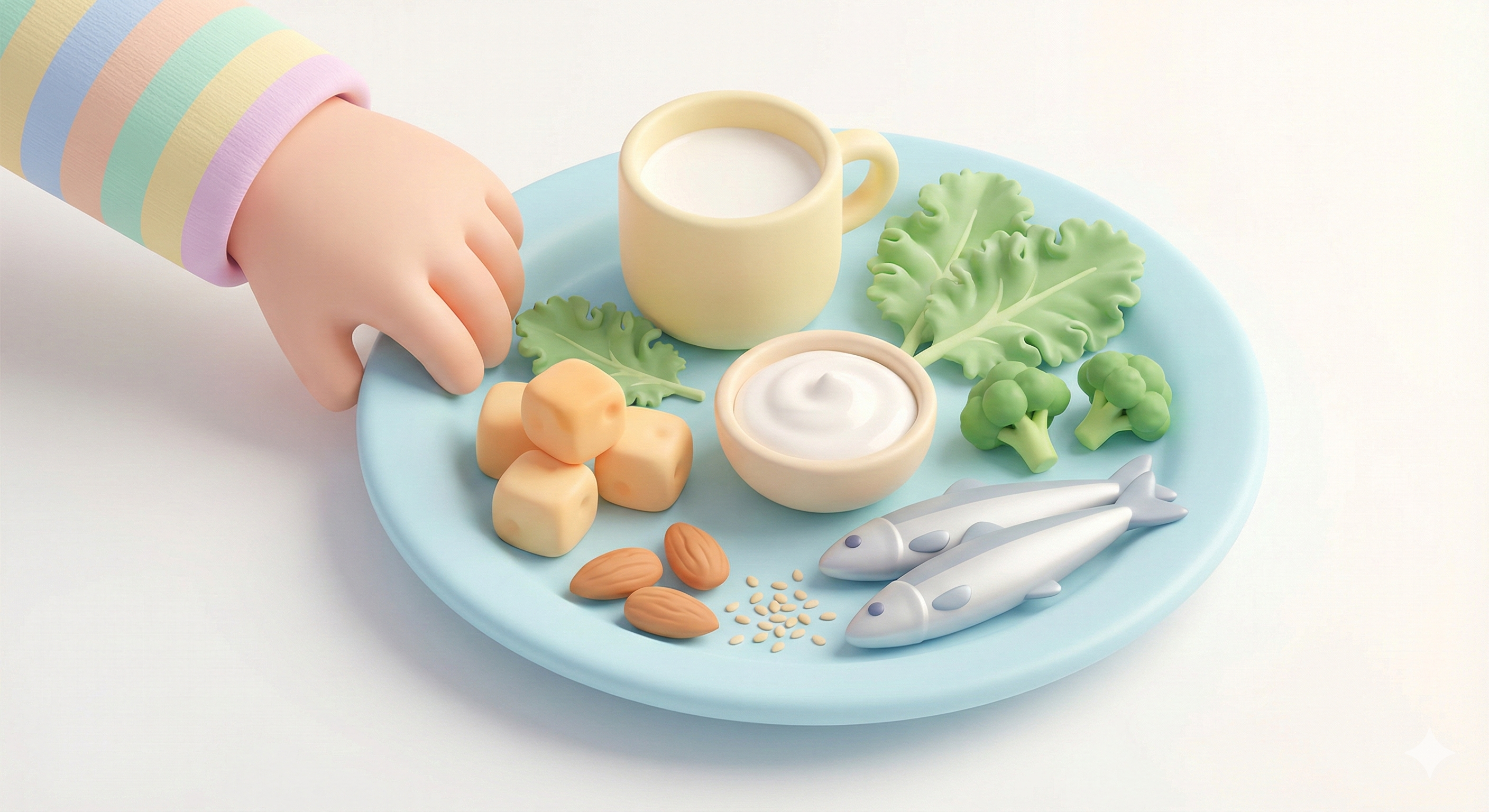
Primary sources: dairy products (milk, yogurt, cheese). Others: leafy greens like kale and broccoli, almonds, sesame, poppy seeds, and small soft-boned fish like sardines. Some plant milks and cereals are fortified.
Kids typically need 700–1000 mg/day. Ages 4–8 need about 800 mg. This is met with 2–3 servings of dairy plus some vegetables or other calcium sources.
Iron: Fuel for the Brain and Muscles
Iron is needed to produce hemoglobin, which carries oxygen to the brain, muscles, and tissues. Iron deficiency causes iron-deficiency anemia, leading to fatigue, pale skin, low immunity, irritability, and poor concentration.
Sources include:
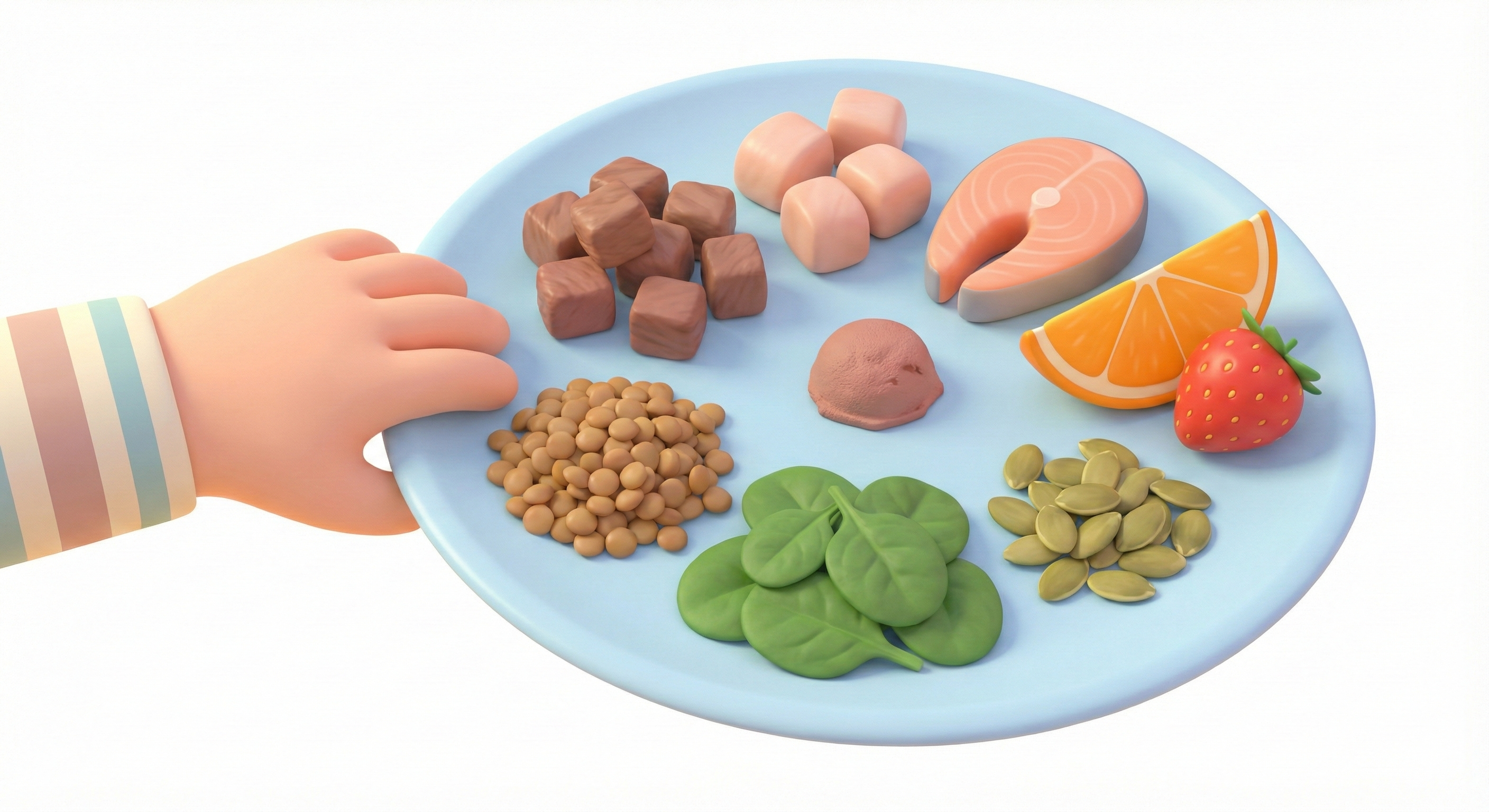
- Heme iron (easily absorbed): red meat, poultry, fish, liver
- Non-heme iron (less absorbed): legumes, leafy greens, nuts, seeds, fortified grains
Vitamin C greatly boosts absorption of plant-based iron.
Young children need 7–10 mg/day, while ages 9–13 need about 8 mg. To prevent anemia, include iron-rich foods 1–2 times daily, ideally paired with vitamin C.
Zinc: Growth Accelerator and Repair Helper
Zinc is crucial for height and weight gain, cell division, protein synthesis, wound healing, immunity, and taste/smell. Deficiency can cause slowed growth, poor appetite, and more infections.
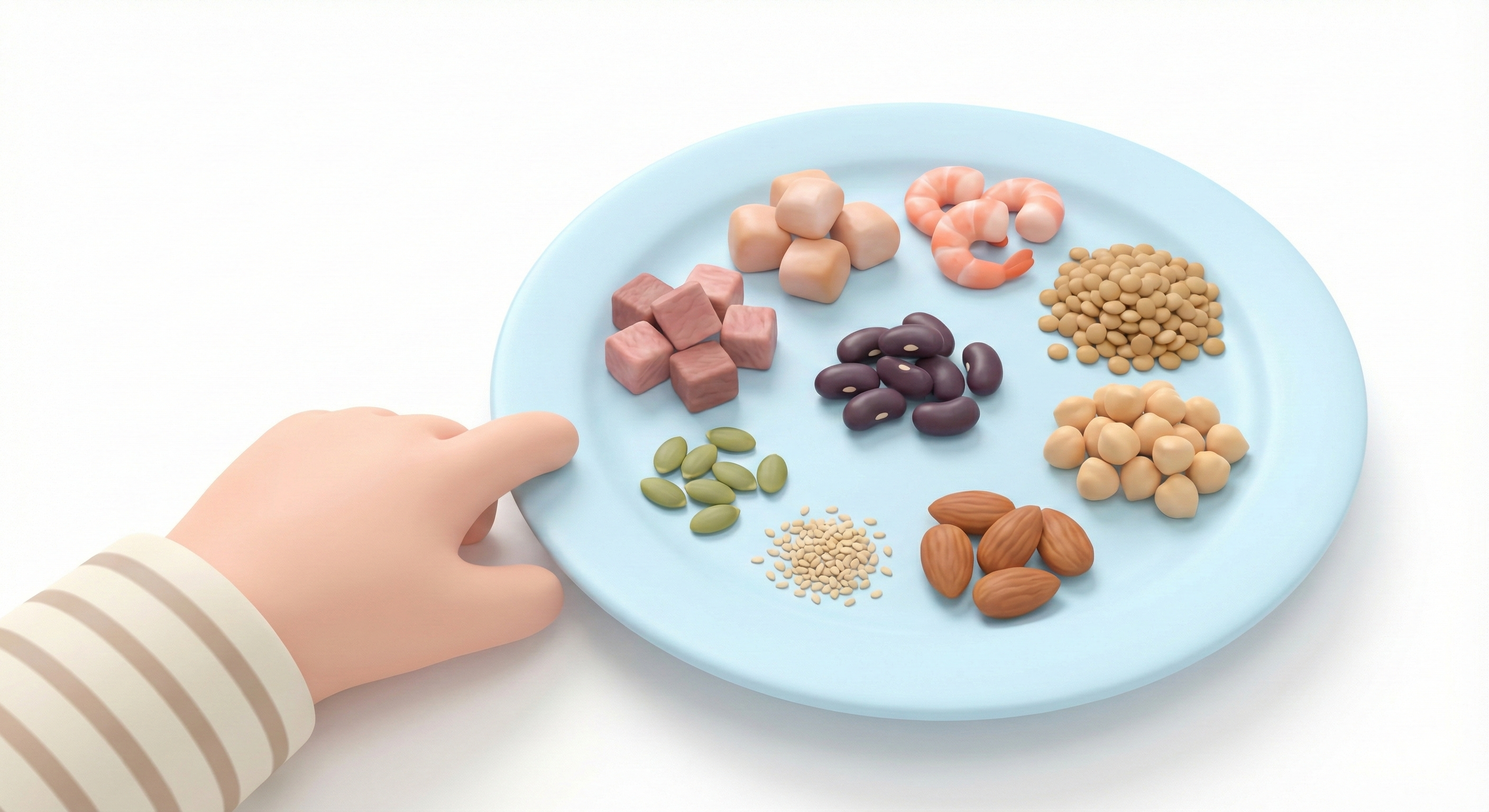
Sources: red meat, poultry, seafood (like shrimp), legumes, nuts and seeds, and whole grains. Dairy provides some too.
Preschoolers typically need 5 mg/day, older children up to 8 mg. Kids with limited diets or low meat intake may be at risk.
Iodine: Regulator of Growth and Metabolism Hormones
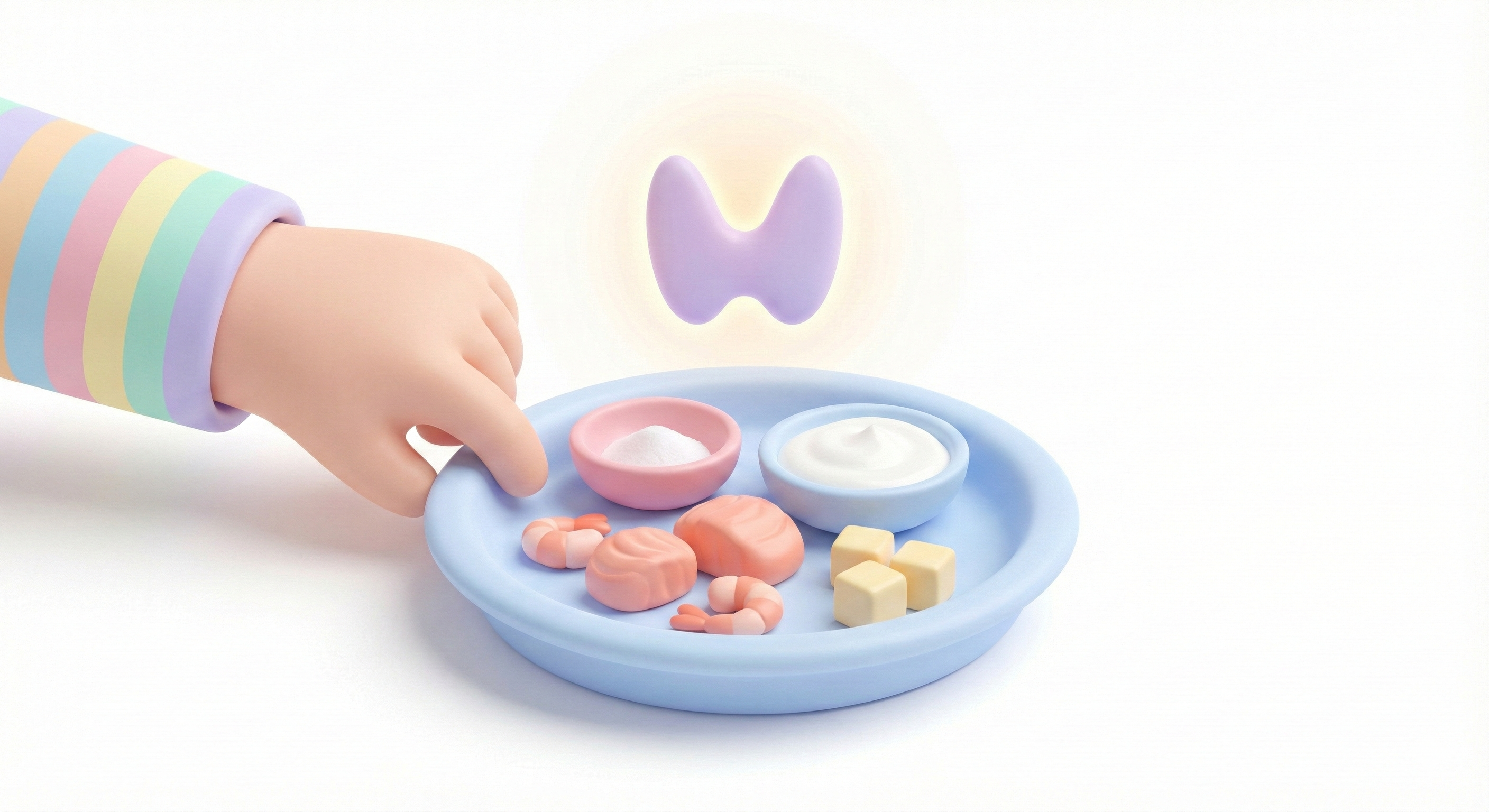
Iodine is needed for thyroid hormones, which regulate metabolism, body temperature, physical growth, and brain development. Deficiency during pregnancy and early childhood can impair development.
Main source: iodized salt. Others: seafood and some dairy.
Preschoolers need 90 mcg/day, school-aged children 120 mcg/day. Using standard iodized salt in moderate amounts usually prevents deficiency.
Other Important Minerals
Kids also need small amounts of magnesium, phosphorus, potassium, copper, selenium, and manganese. These support muscles, fluid balance, heart function, antioxidant defense, and metabolism.
A child eating a balanced, varied diet across all food groups rarely lacks these—except in cases of severe picky eating, food group avoidance, or digestive disease.

Part 3: Supplements — Food Comes First
Ideally, children should get vitamins and minerals from real food, not syrups or tablets. Nutrients in whole foods are absorbed better and come with fiber, protein, and other beneficial compounds.
Most healthy, well-fed children don’t need daily multivitamins. Supplements may be needed when:
- Infants need vitamin D, especially if breastfed.
- Strict vegan children may need vitamin B₁₂.
- Kids with severe allergies, digestive diseases, or absorption problems may need specific supplements.
Many countries recommend that children 6 months to 5 years, if not drinking more than 500 ml/day of fortified formula, take supplements containing vitamins A, C, and D. But the pediatrician decides based on your child’s needs.
Importantly, self-prescribing supplements can be harmful. Excess intake of some nutrients (like vitamin A) can cause toxicity.
Guidelines:
- Always consult a pediatrician before giving any supplement.
- Follow dosing exactly.
- Don’t assume “more is better.” Too much can be as harmful as too little.
Part 4: Practical Tips for Parents
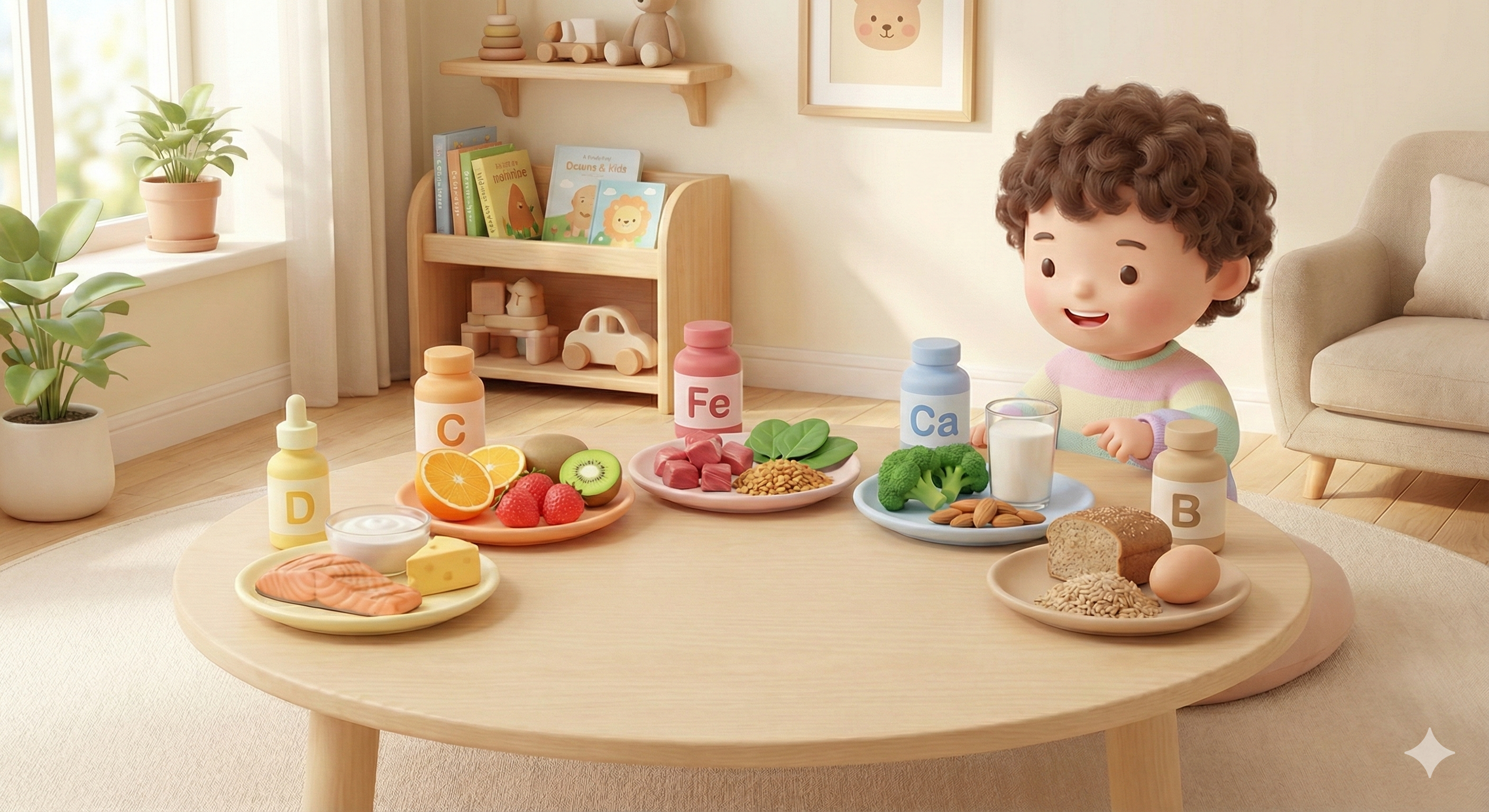
Knowing the role of micronutrients is important—but even more important is how to apply this knowledge at the dinner table.
1. Take Food Variety Seriously
The best insurance against deficiencies is variety. No single food provides everything. Different colors of fruits and vegetables, grains, proteins, and dairy supply different micronutrients. A repetitive plate increases deficiency risk.
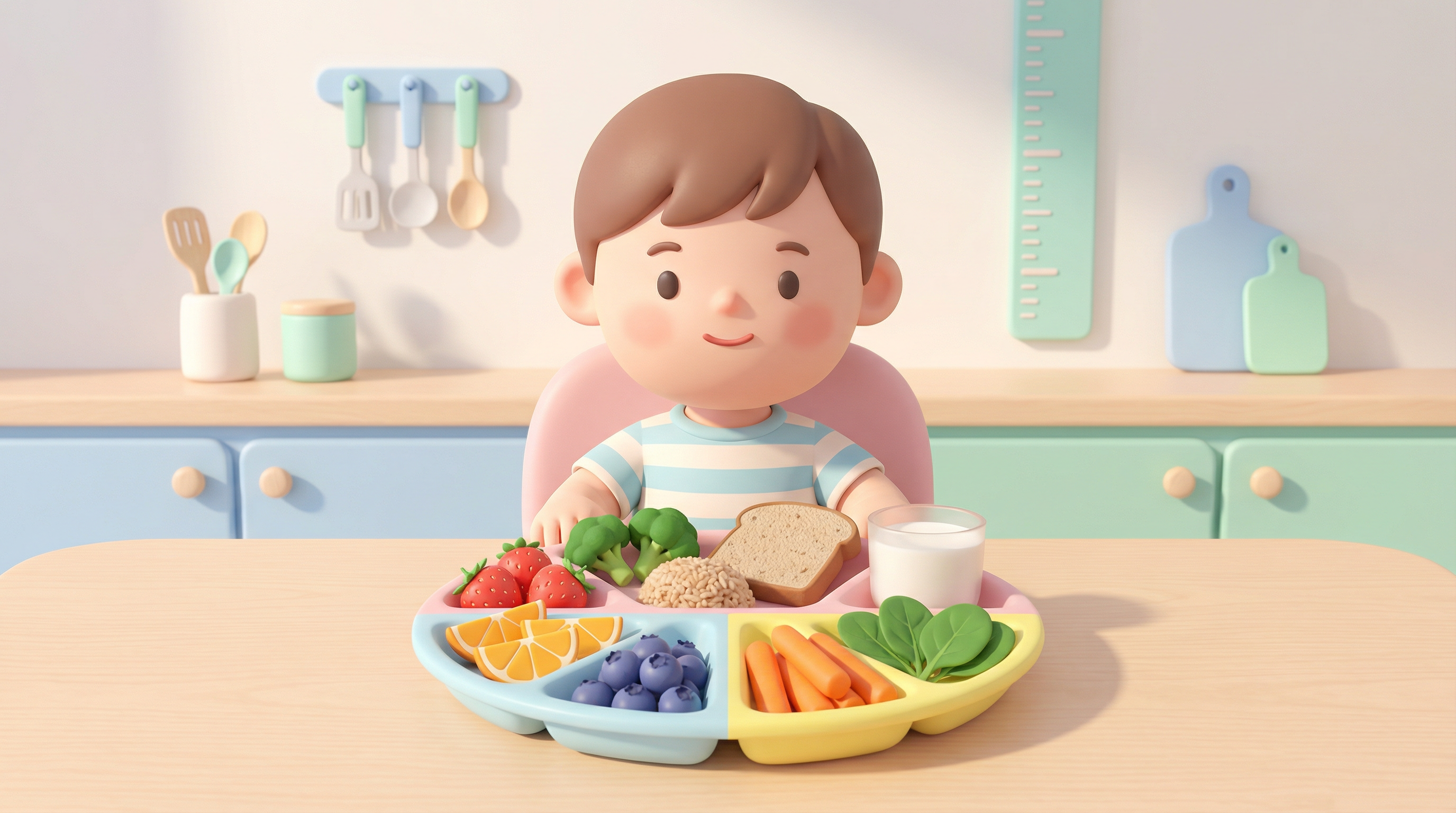
Aim for daily combinations of fruits, vegetables, grains (preferably partly whole-grain), diverse proteins (meat, poultry, fish, eggs, or legumes), and dairy.
2. Add One Vitamin- or Mineral-Rich Item to Every Meal
Think of each meal as a small opportunity:
- Add a fresh fruit (vitamin C) or a handful of chopped nuts (vitamin E, zinc) to breakfast.
- Add vegetables to lunch and dinner—even small amounts help.
- Use whole grains for more B vitamins and minerals.
3. Combine Foods Smartly
Some combinations boost nutrient absorption:
- Pair plant-based iron (lentils, beans, spinach) with vitamin C (orange slices, bell peppers, tomatoes, fresh juice).
- Support bones by combining calcium-rich dairy with foods containing vitamin D (eggs, fish) and safe sunlight exposure.
These small combinations increase nutrient value without raising cost or meal size.
4. Use Fortified Foods Wisely
Many modern foods—breakfast cereals, some milks, and yogurts—are fortified with vitamins/minerals. These can help picky eaters or families with limited diets.
Choose products with low added sugar, and read nutrition labels.
5. Make Low-Value Snacks Occasional
Sodas, packaged juices, chips, puffs, sweets, and snacks are high-calorie, low-nutrient. They promote weight gain and tooth decay and reduce appetite for real foods.
Instead of completely banning them, make them occasional—like at parties or weekends—and keep portions small.
Daily snacks should be fruits, yogurt, nuts, crunchy vegetables, or homemade simple foods.
6. Build Positive Eating Habits — Patience Is Key
Kids may need 10–15 exposures to accept a new food. A first “no” doesn't mean “never.”
Offer new foods in small portions, when the child isn’t tired, and alongside familiar favorites. Eat the same food yourself—kids imitate behavior more than words.
Avoid using food as punishment or reward. Create a calm environment without too many distractions.
Conclusion
Healthy child growth is a long-term project, not a short-term race.
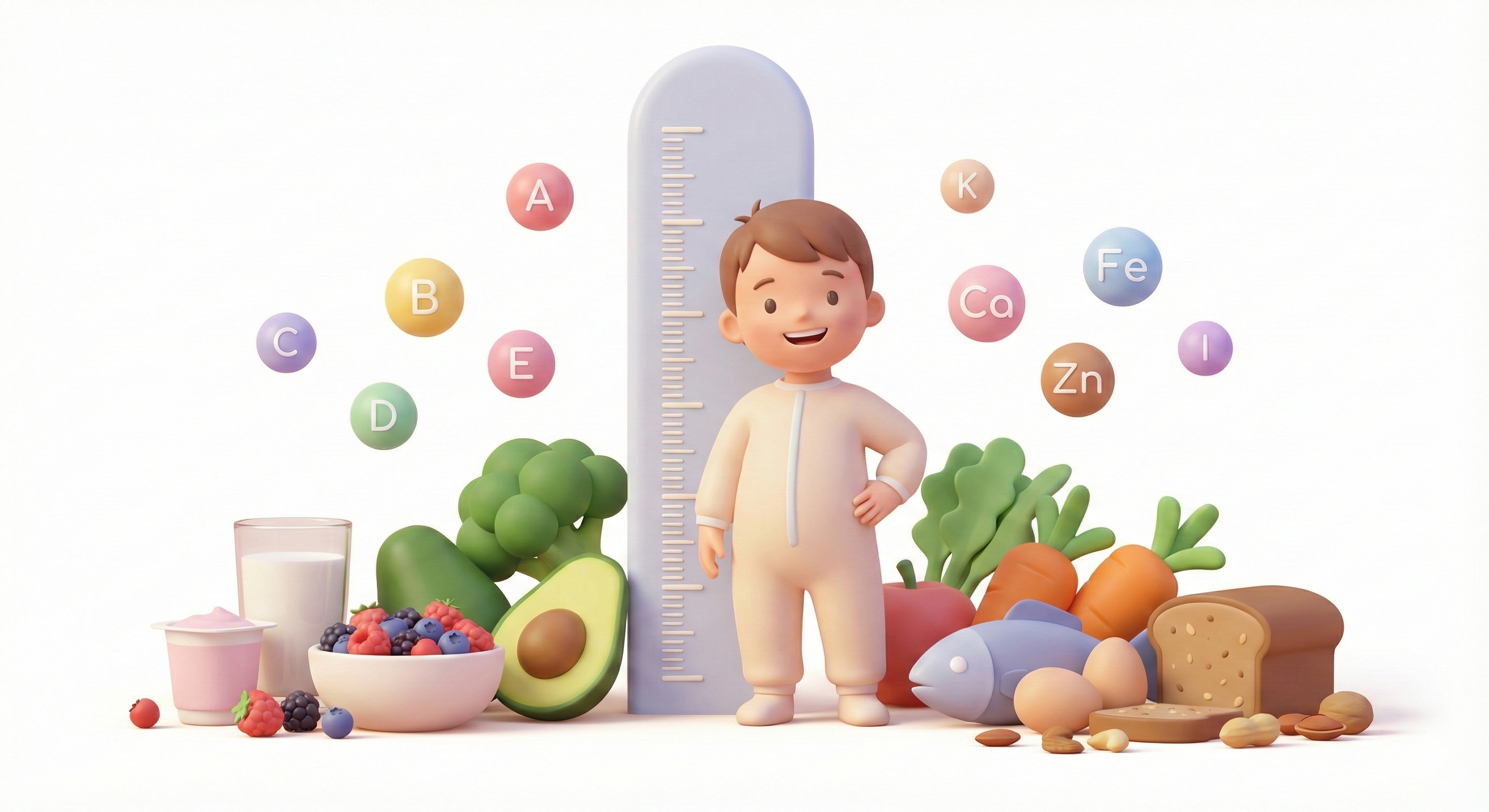
Though needed in small amounts, vitamins and minerals play major roles. Vitamins A, B, C, D, E, and K support various aspects of growth, immunity, and tissue health. Minerals like calcium, iron, zinc, and iodine strengthen bones, blood, metabolism, and brain development.
Key takeaways:
- Food variety and smart food combinations cover most micronutrient needs.
- Supplements are necessary in some cases but should be prescribed by a doctor, not used for parental peace of mind.
- Small daily choices—adding a fruit, a vegetable, whole grains, or an iron-rich food—have major long-term effects on your child’s height, bones, immunity, and cognitive development.
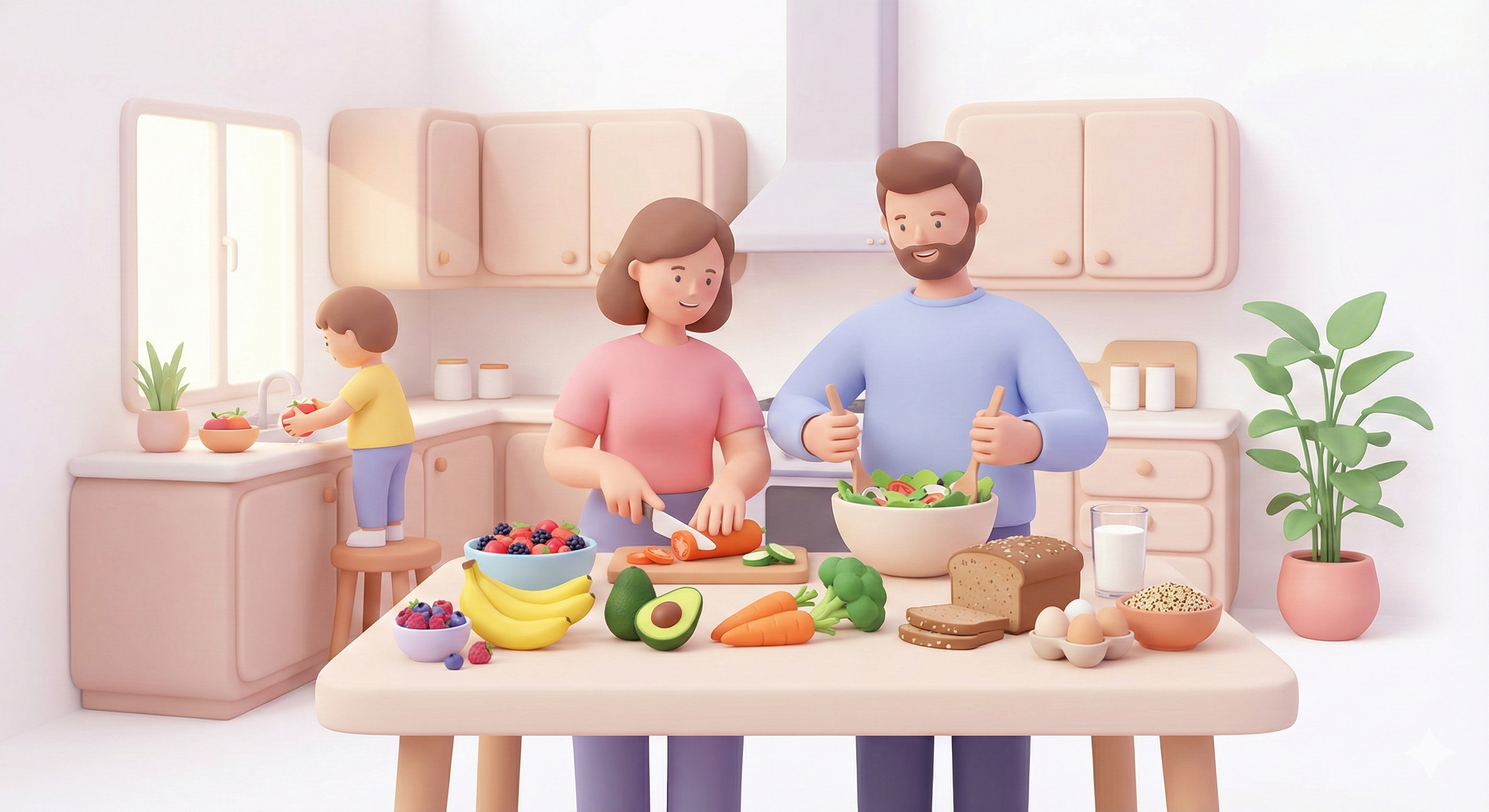
With planning, patience, and awareness, your family table can become the strongest support for your child’s tall, healthy, energetic life.